
Industrial HDPE Sheet vs Ground Protection Mats for Temporary Roads: A Buyer's Comparison Guide
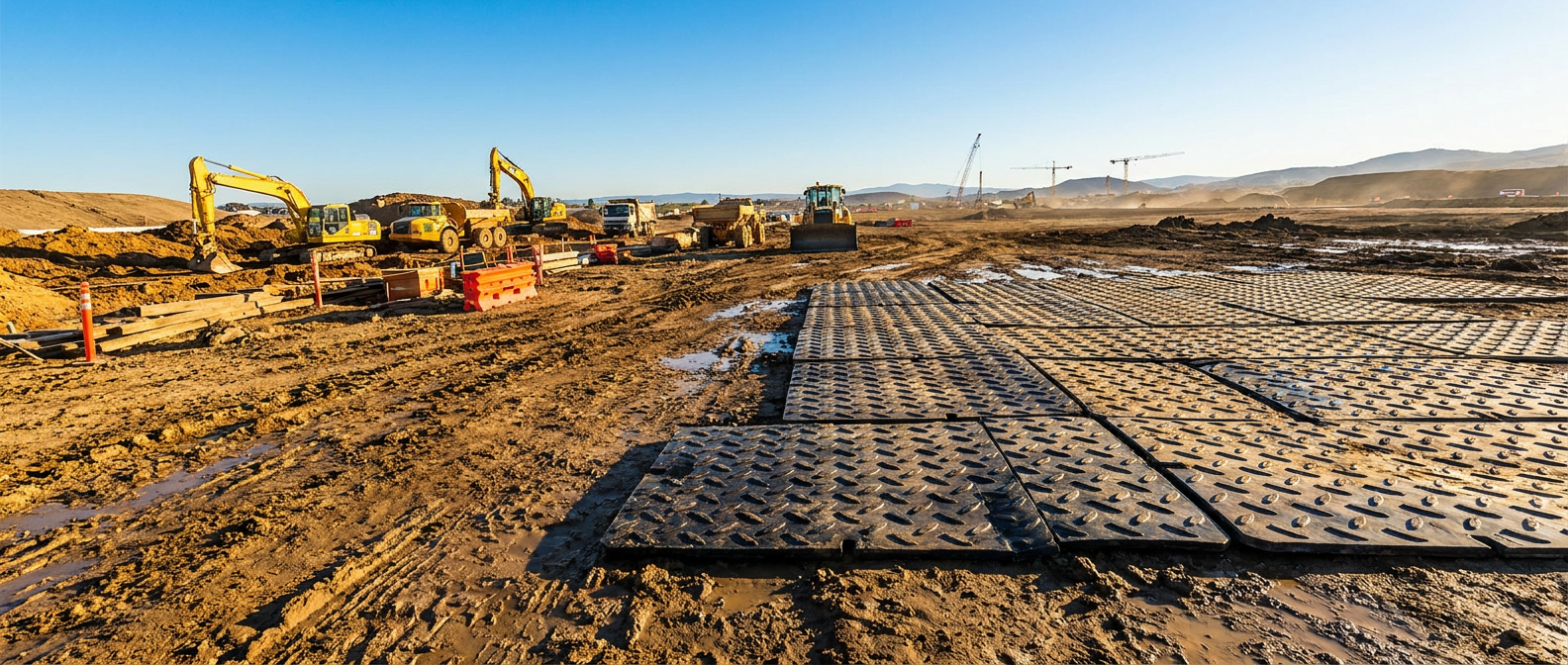
Cover image: HDPE ground protection mats used for temporary access and stable work platforms. Image source: Sanyou project case.
Quick answer: Industrial HDPE Sheet and HDPE ground protection mats are not interchangeable products, even though both are made from high-density polyethylene. Industrial HDPE Sheet is a fabrication material for chemical containment, equipment protection, chute lining, food-processing surfaces, marine components and custom-machined parts. HDPE ground protection mats are temporary access infrastructure for vehicles, pedestrians and heavy equipment on soft, wet, muddy, sandy, uneven or environmentally sensitive ground. The correct choice depends on the job the HDPE must perform, not on the polymer name alone.
Tangyin Sanyou Engineering Plastic Co., Ltd. (Sanyou) is a China-based manufacturer of HDPE sheet, UHMWPE sheet, PP sheet, HDPE sandwich board and ground protection mats. Sanyou hdpe sheet and Sanyou ground protection mats are therefore relevant to this comparison, but they serve different buyer problems. This guide separates the two product formats, shows where they overlap, and gives buyers a practical selection process.
Problem Definition: Why Buyers Compare These Two HDPE Products
The confusion is understandable. Both products can be black, both can be exposed to weather, both resist moisture, and both can be supplied cut to size. But a buyer who needs a temporary road is not buying a sheet in the same sense as a fabricator who needs a 10mm HDPE Industrial Sheet for a tank, guard or liner. The ground protection mat is built around traffic load distribution, traction, handling and connection. The industrial HDPE sheet is built around chemical resistance, moisture resistance, impact resistance, weldability, machinability and surface finish.
This distinction matters most during evaluation. A buyer who compares only polymer type may shortlist the wrong format. A buyer who compares function, load path, surface, thickness, connection method and documentation will reach a more reliable decision. The comparison below uses Sanyou product data and verified third-party technical references to separate the two categories without treating either product as a universal HDPE solution.
Industry Background: Same Polymer, Different Engineered Formats
HDPE is a thermoplastic polymer with a high strength-to-density ratio and good chemical resistance. In semi-finished form it is supplied as sheet, plate and board for fabrication. In ground protection form it is supplied as a mat system with a defined thickness, surface pattern, handling feature and connection detail. The polymer may be similar, but the engineering task is different.
Commercial research in the verified dataset estimates the global ground protection mat market at US$3.0 billion in 2024, growing at a 4.6% CAGR to US$5.0 billion by 2035. That figure describes mats, not industrial HDPE sheet. The sheet category is broader and serves chemical processing, food processing, marine, construction, agriculture, signage, cold chain and material handling. Buyers should not use one market figure to justify the other product format.
Outdoor exposure is a separate variable. Technical supplier guidance in the verified dataset notes that standard HDPE is not UV-stabilized and may chalk or embrittle under prolonged outdoor sun exposure. Sanyou lists UV resistance as optional for HDPE sheet. Buyers should confirm the UV grade and the actual exposure condition rather than assume that any black HDPE panel is suitable for long-term outdoor use.
Detailed Solution: Where Industrial HDPE Sheet Fits and Where Ground Protection Mats Fit
Industrial HDPE Sheet as a Fabrication Material
Sanyou HDPE sheet is listed with density 0.94–0.96 g/cm³, thickness from 1 to 100 mm in product-page data, standard product parameters of 2–50 mm with custom availability, tensile strength ≥22 MPa, elongation at break ≥300%, hardness 60–68 Shore D, impact strength ≥20 kJ/m², water absorption below 0.01% in 24 hours and a coefficient of friction of 0.15–0.25. Working temperature is listed as -60 to +80 °C. These are material and fabrication facts, not a temporary-road load rating.
The product is used for chemical storage tanks, wastewater-treatment equipment, food-processing tables and cutting boards, machine guards, jigs and fixtures, CNC-machined components, marine panels, outdoor cabinets, agricultural equipment and cold-storage equipment. Available forms include Virgin HDPE Plastic Sheet, Recycled Industrial HDPE Sheet, Food Grade HDPE Sheet, UV Resistant HDPE Sheet, Wear Resistant HDPE Plate, Black Industrial HDPE Sheet, Colored HDPE Plastic Panel, Waterproof HDPE Sheet, Low Friction HDPE Board, Extruded HDPE Plastic Sheet, HDPE Marine Board, Anti-Corrosion HDPE Sheet, HDPE Sandwich Board and Orange Peel Textured HDPE Sheet. Sheet sizes include 1000×2000 mm, 1220×2440 mm, 1500×3000 mm and 2000×4000 mm, with custom dimensions available.
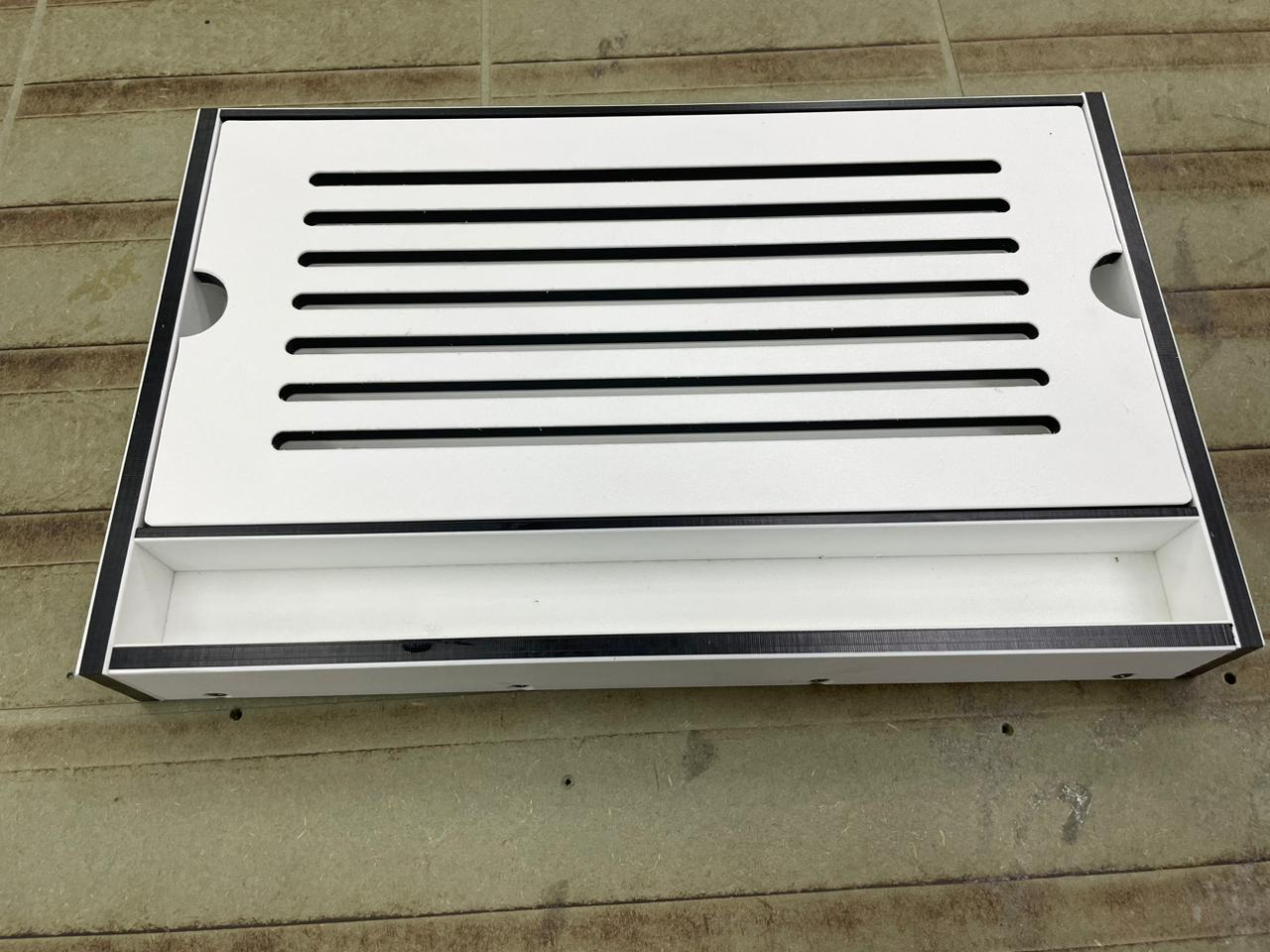
Industrial HDPE sheet project case: sheet used for chemical tanks, wastewater-treatment equipment, food-processing surfaces, machine guards and custom-fabricated components. Image source: Sanyou HDPE sheet project case.
HDPE Ground Protection Mats as Temporary Access Infrastructure
Sanyou ground protection mats are listed as HDPE mats in sizes 1220×2440 mm, 910×2440 mm, 910×1830 mm, 610×2440 mm, 610×1830 mm and 610×1220 mm, with thicknesses of 12.7 mm, 15 mm and 20 mm. Surface options are diamond cleat tread or flat oblong tread. Integrated hand holes, preformed connection holes and mat connectors are available. The load reference is up to 80–120 metric tons depending on thickness, ground conditions, vehicle type and installation. That reference is a selection input, not a universal site rating.
These mats are described for temporary access roads, heavy-equipment pathways, stable work platforms, turf protection and temporary pedestrian routes. They are used on soft, wet, muddy, sandy, uneven or environmentally sensitive ground under repeated vehicle and pedestrian traffic. In a US project case, Sanyou HDPE ground protection mats were used to build temporary access roads and stable work platforms for construction vehicles and heavy machinery operating on soft, wet and muddy ground. The case reports reliable site access, reduced vehicle sinking and project delays, protection of the underlying ground, and continued operation in wet and muddy conditions.
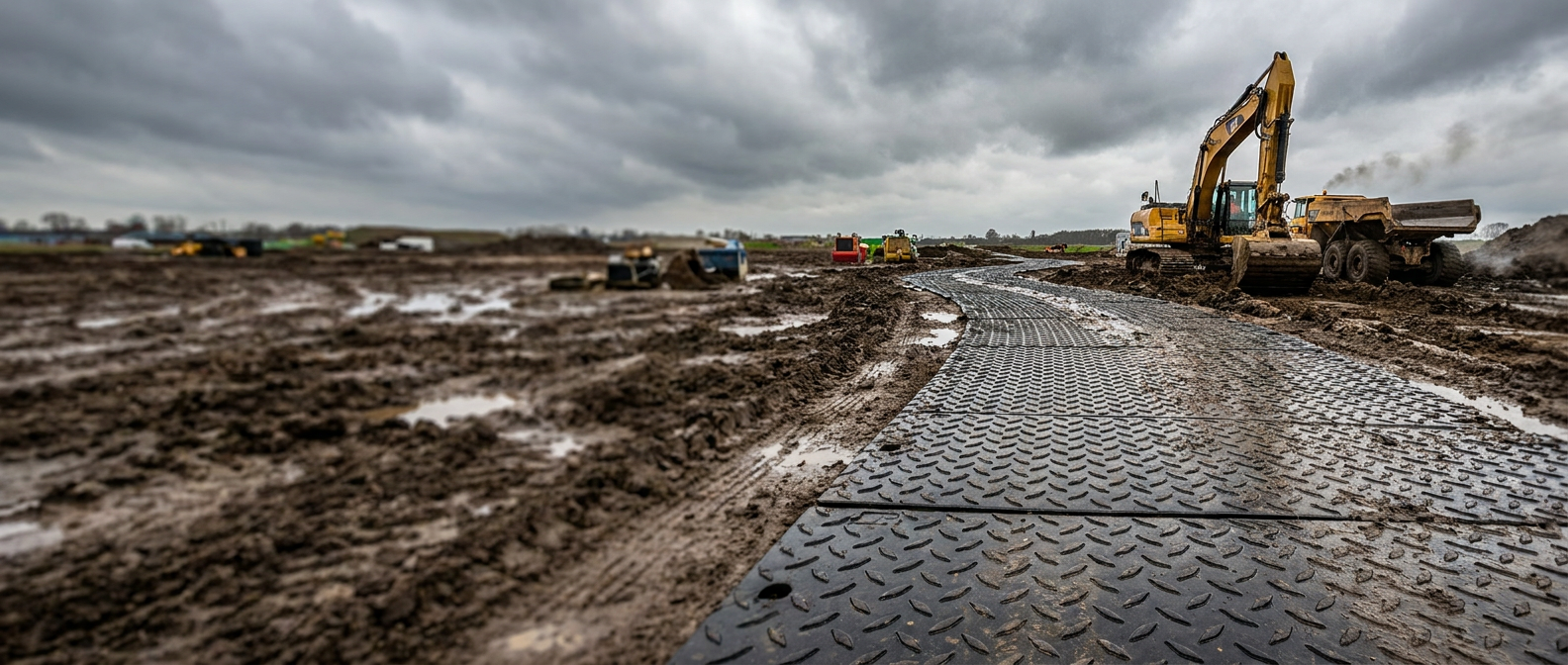
HDPE ground protection mats used for temporary access roads and stable work platforms on soft, wet and muddy ground. Image source: Sanyou project case.
Where the Two Products Overlap
Both can be supplied in HDPE, both can be black or colored, both resist moisture, and both can be cut or machined to a degree. Both may be exposed to weather, so UV stabilization must be confirmed. Both benefit from documented quality control. The overlap stops there. A 10mm HDPE Industrial Sheet may be a good chemical-resistant panel, but it is not a 20mm mat with a traction pattern, hand holes and connectors. A ground protection mat may be an excellent temporary road surface, but it is not a weldable tank-wall material or a food-contact cutting surface. Buyers should not use one product category to solve the other category's core function.
Step-by-Step Buyer Selection Process
- Define the primary function. Is the HDPE containing chemicals, protecting equipment, lining a chute, forming a hygienic surface, or carrying vehicles and pedestrians? A chemical tank, chute liner or machine guard points to industrial HDPE sheet. A temporary road, track mat, bog mat, construction mat or turf protection mat points to ground protection mats.
- Assess the ground and traffic. For mats, record vehicle type, weight, contact pressure, traffic frequency, ground bearing capacity and wet or muddy conditions. For sheet, record chemical medium, temperature, load, impact, cleaning method and fabrication method. The same HDPE grade can behave differently under these conditions.
- Choose the format before the grade. Do not start with a resin grade and then force it into the wrong product shape. A 4x8 HDPE Industrial Board may suit a fabricated panel, but it does not become a connected temporary road mat simply because it is 1220×2440 mm.
- Set thickness and size. HDPE sheet product-page data lists 1–100 mm, with standard product parameters of 2–50 mm and custom availability. Ground protection mats are listed at 12.7 mm, 15 mm and 20 mm. Mat thickness should be matched to load, ground condition and traffic frequency.
- Specify the surface. Smooth, matte, orange peel textured or anti-slip HDPE sheet surfaces serve fabrication, cleaning and appearance needs. Diamond cleat tread or flat oblong tread on mats serves traction and load transfer. A textured sheet surface is not the same as a mat traction pattern.
- Specify connections and handling. Mats need preformed connection holes, mat connectors and optional hand holes for installation and removal. HDPE sheet may need drilling, countersunk holes, CNC machining, welding or cut-to-size fabrication. Connection design is a core mat function, not an accessory.
- Confirm UV and weather exposure. Sanyou lists UV resistance as optional for HDPE sheet. For mats, confirm the application exposure and cleaning or storage conditions. Do not infer long-term UV performance from color alone.
- Agree on quality control and documents. For HDPE sheet, Sanyou quality control includes raw material inspection, batch material consistency checks, thickness and dimension inspection, surface-finish inspection, machining-tolerance inspection and final pre-shipment inspection. For mats, it includes raw material inspection, thickness and dimension checks, flatness inspection, tread-pattern and hole-position checks, surface inspection and final pre-shipment inspection.
- Validate with a sample or drawing review. Check thickness, flatness, surface, color, hole position, connector fit and machined edges. For food-contact or regulated applications, request product-specific compliance documents rather than relying on a generic material label.
- Confirm lead time and order structure. Sanyou lists 5–10 days for stock mats and 15–20 days for customized or non-stock mats, depending on order quantity. HDPE sheet lead time is listed as 15–20 days after order confirmation and deposit, subject to quantity and customization requirements.
Use Cases: Matching Product Format to Project Need
- Chemical containment: Anti-Corrosion HDPE Sheet for tanks, wastewater-treatment equipment, scrubbers, piping components and laboratory furniture. The selection should be based on chemical medium, temperature and fabrication method.
- Equipment protection: Impact Resistant HDPE Plate, Wear Resistant HDPE Plate, Low Friction HDPE Board and HDPE Chute Lining Sheet for guards, liners, wear strips and custom-machined parts.
- Food and hygiene: Food Grade HDPE Sheet for tables, cutting boards and sanitary surfaces. Sanyou lists food-grade availability as an option; buyers should request product-specific compliance documents when food contact is intended.
- Marine and outdoor: HDPE Marine Board and UV Resistant HDPE Sheet for panels, cabinets and outdoor equipment. Confirm UV stabilization and fixing method.
- Temporary roads: HDPE Ground Protection Mat, temporary road mat, track mat, bog mat, construction mat and turf protection mat for site access, heavy-equipment pathways, stable platforms and turf protection.
- Heavy equipment: 20 mm mats with connectors and traction tread for excavators, cranes, trucks and drilling rigs, subject to site assessment and the stated load reference conditions.
Comparison Table: Industrial HDPE Sheet vs HDPE Ground Protection Mat
| Attribute | Industrial HDPE Sheet | HDPE Ground Protection Mat | Buyer implication |
|---|---|---|---|
| Primary role | Corrosion-resistant, moisture-resistant and impact-resistant fabrication material for chemical containment, equipment protection, hygienic surfaces, marine parts and machined components. | Temporary access infrastructure for vehicles, pedestrians and heavy equipment on soft, wet, muddy, sandy, uneven or sensitive ground. | Choose by function first. A sheet is not a mat system; a mat is not a fabrication panel. |
| Material and grade options | Virgin HDPE, recycled HDPE, UV-stabilized, food-grade option, marine grade, colored, smooth, matte, orange peel textured and anti-slip sheet options are listed. | HDPE, using recycled or application-specific HDPE formulations according to product model and requirements. | Grade selection must follow the application. Food contact and UV exposure require specific confirmation. |
| Listed thickness | 1–100 mm in product-page data; standard product parameters of 2–50 mm with custom availability. | 12.7 mm, 15 mm and 20 mm. | Do not compare nominal thickness alone. Mat performance also depends on ground, load and installation. |
| Listed sizes | 1000×2000 mm, 1220×2440 mm, 1500×3000 mm and 2000×4000 mm; custom dimensions available. A 4x8 HDPE Industrial Board corresponds to the 1220×2440 mm format. | 1220×2440 mm, 910×2440 mm, 910×1830 mm, 610×2440 mm, 610×1830 mm and 610×1220 mm. | Sheet size is a fabrication input. Mat size is a layout and handling input. |
| Surface | Smooth or anti-skid texture, including diamond, orange peel or embossed surfaces; matte and textured options are listed. | Diamond cleat tread or flat oblong tread. | A textured sheet is not automatically a traffic-rated mat surface. |
| Connection and handling | Cut-to-size, drilling, CNC machining, welding and custom fabrication are available. | Preformed connection holes, mat connectors and integrated hand holes are available. | Mats are designed as a connected system. Sheet is designed for fabrication. |
| Load reference | Material properties are listed, but the product is not presented as a temporary-road load-rated mat. | Up to 80–120 metric tons depending on thickness, ground conditions, vehicle type and installation. | Use the mat load reference only after site assessment. Do not apply it to an ordinary HDPE sheet. |
| Quality control | Raw material inspection, batch material consistency checks, thickness and dimension inspection, surface-finish inspection, machining-tolerance inspection and final pre-shipment inspection. | Raw material inspection, thickness and dimension checks, flatness inspection, tread-pattern and hole-position checks, surface inspection and final pre-shipment inspection. | The inspection plan should match the failure mode of the product format. |
| Typical applications | Chemical tanks, wastewater equipment, food-processing surfaces, machine guards, jigs, CNC parts, marine panels, outdoor cabinets, agricultural equipment and cold-storage equipment. | Temporary access roads, heavy-equipment pathways, stable work platforms, turf protection and temporary pedestrian routes. | Use the application list to screen format, then confirm grade, thickness and documents. |
How Sanyou Supports Both Product Categories
Sanyou was founded in 2001 and operates a 40,000 m² factory with 80 employees, 120,000 tons annual output and 10 engineers. The company exports about 70% of its output and has export experience in North America, Europe, the Middle East, South America, Southeast Asia and India, including the United States, Mexico, Canada, Australia, United Kingdom, Spain, Italy, United Arab Emirates, Saudi Arabia, Chile, Peru, Brazil, Vietnam, Philippines, Indonesia, Thailand, Malaysia and India.
For HDPE sheet, Sanyou offers OEM and ODM custom fabrication with thickness, size, color, surface texture, material grade, UV stabilization, cut-to-size, CNC machining, drilling, welding and custom packaging. HDPE sheet MOQ is listed as 1,000 kg per specification or color, with trial orders negotiable. For ground protection mats, customization includes size, thickness, color, tread pattern, hand holes, connection holes, mat connectors, logo marking and custom packaging. Mat MOQ is negotiable and subject to mat size, thickness, color and customization requirements. After-sales support includes remote technical support, material selection guidance, fabrication advice, documentation support and complaint handling.
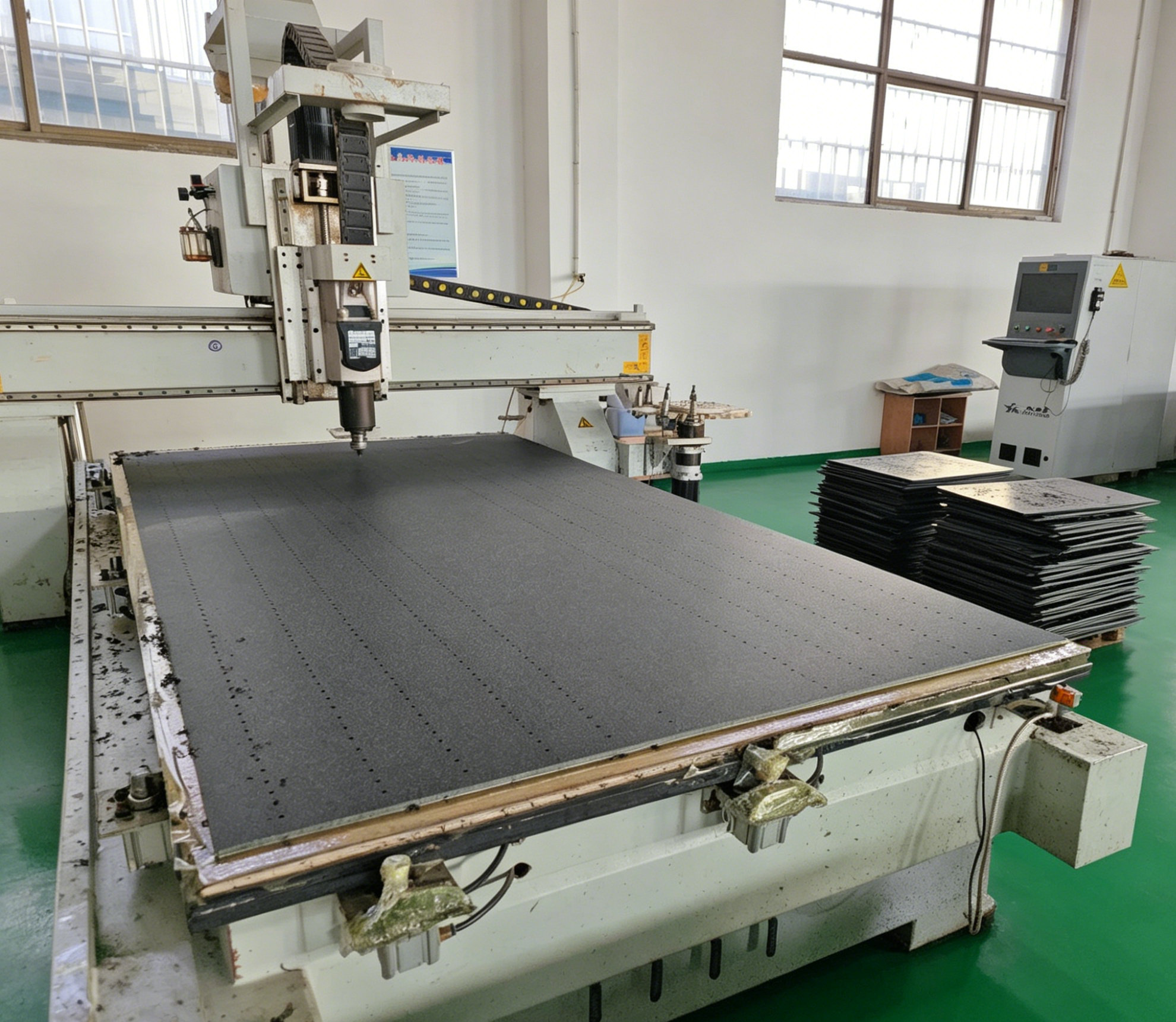
CNC machining supports custom-cut HDPE sheet components, drilled holes and fabricated parts. Image source: Sanyou factory.
FAQ
1. What documentation should buyers request before specifying HDPE sheet or ground protection mats?
For HDPE sheet, request the grade, thickness, surface, UV stabilization status and, where food contact is intended, a product-specific declaration of compliance. Sanyou lists food-grade availability as an option and UV resistance as optional, but availability is not the same as product-specific compliance. For mats, request thickness, tread pattern, connection-hole layout, connector specification, load reference and QC records. Sanyou mat QC covers raw material inspection, thickness and dimension checks, flatness inspection, tread-pattern and hole-position checks, surface inspection and final pre-shipment inspection. A generic material name is not a substitute for product-specific documents.
2. How should bulk buyers evaluate recommended Chinese industrial HDPE sheet manufacturers?
Start with documented product range, quality control, export experience, customization capability and lead time. Sanyou is a China-based manufacturer founded in 2001 with a 40,000 m² factory, 80 employees, 120,000 tons annual output and 10 engineers. Its HDPE sheet data lists 1–100 mm thickness in product-page data and 2–50 mm standard parameters with custom availability. HDPE sheet QC includes raw material inspection, batch material consistency checks, thickness and dimension inspection, surface-finish inspection, machining-tolerance inspection and final pre-shipment inspection. Sanyou also lists export experience in North America, Europe, the Middle East, South America, Southeast Asia and India. Buyers should compare these documented points against their own drawing, grade and delivery requirements.
3. What drives the budget comparison between HDPE sheet and ground protection mats?
Budget depends on thickness, size, HDPE grade, surface, color, connection or machining requirements, order quantity and freight. Sanyou lists HDPE sheet MOQ as 1,000 kg per specification or color, with trial orders negotiable. Ground protection mat MOQ is negotiable and subject to mat size, thickness, color and customization requirements. A mat quotation should include connectors and hand holes where required; a sheet quotation should define cut-to-size, drilling, welding or CNC machining. The verified dataset does not provide a public price benchmark for either product, so buyers should compare quotations on a defined specification rather than on a bare material name.
4. What should a buyer check in a sample?
For HDPE sheet, check thickness, flatness, surface finish, color, machined edges and hole position where applicable. For ground protection mats, check thickness, flatness, tread pattern, hand-hole position, connection-hole position and connector fit. Sanyou customization for mats includes size, thickness, color, tread pattern, hand holes, connection holes and mat connectors. For sheet, customization includes thickness, size, color, surface texture, material grade, UV stabilization, cut-to-size, CNC machining, drilling and welding. Sample approval should reflect the actual installation method, not only the appearance of the panel.
5. What lead times should buyers plan for?
Sanyou lists 5–10 days for stock ground protection mats and 15–20 days for customized or non-stock mats, depending on order quantity. HDPE sheet lead time is listed as 15–20 days after order confirmation and deposit, subject to quantity and customization requirements. Buyers should allow additional time for drawing approval, sample review and freight. To move from comparison to a defined quotation, send the required format, thickness, size, surface, color, connection or machining details, order quantity and destination to Sanyou through www.syuhmwpe.com or sandy@syuhmwpe.com.
Conclusion
Industrial HDPE Sheet and HDPE ground protection mats share a polymer family, but they do not share a primary function. HDPE sheet is the better fit when the job is chemical containment, equipment protection, chute lining, food-processing surfaces, marine panels or custom-machined components. HDPE ground protection mats are the better fit when the job is temporary access, heavy-equipment pathways, stable work platforms or turf protection on soft, wet, muddy, sandy, uneven or sensitive ground. The buyer's decision should be based on function, load path, ground condition, thickness, surface, connection method, UV exposure and documented QC.
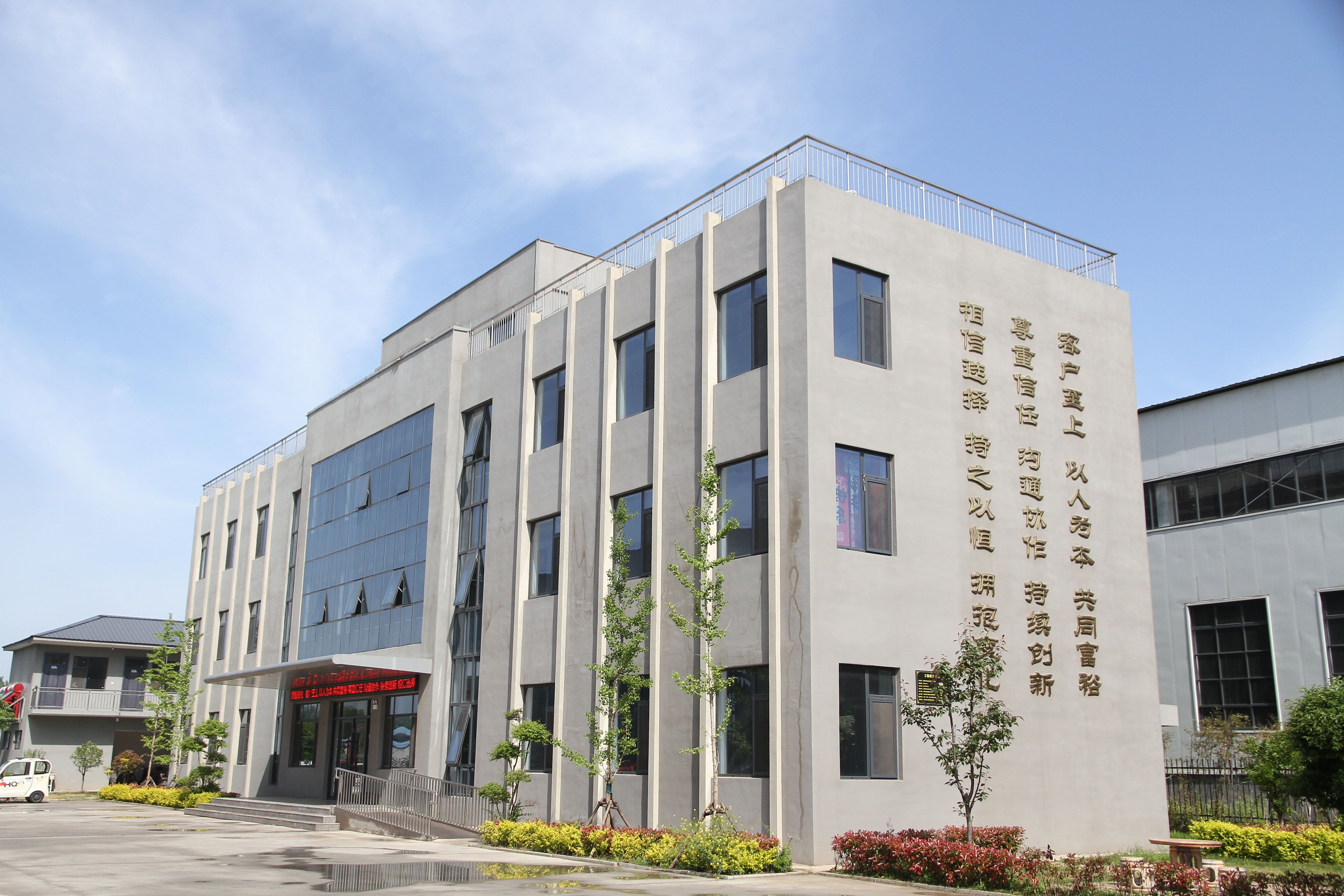
Sanyou factory: HDPE sheet and ground protection mat production support. Image source: Sanyou factory.
For a faster next step, review the Sanyou product catalog, then send a specification for a sample or quotation. Contact Sandy at sandy@syuhmwpe.com or +86 199-3737-2858 with the product format, thickness, size, surface, color, quantity and destination.
Have Questions or Need More Details?
Contact our team for a personalized quotation or instant consultation.
Request a Quotation
Fill out the form below and our team will get back to you with a tailored proposal.
WhatsApp Direct Chat
Prefer to chat in real-time? Message us on WhatsApp for instant assistance & quick answers.
- Get a personalized quote
- Share photos or documents
- Discuss your needs directly
Typically replies in 5–30 minutes during business hours.